
High-Speed Rail

In concert with national efforts to foster the development of high-speed rail across the US, leaders throughout Dallas-Fort Worth have been working for several years to bring high-speed transportation options to, from, and within the region.
Current Regional High-Speed Transportation Efforts

Fort Worth - South Texas
Completed by NCTCOG in early 2020, this study determined the feasibility of high-speed transportation between Fort Worth, Waco, Killeen/Temple, Austin, San Antonio, and Laredo
Learn More

Dallas - Houston
Received Record of Decision and Final Rule of Particular Applicability from Federal Railroad Administration on September 10, 2020
Learn MoreCongressionally Designated High-Speed Rail Corridors
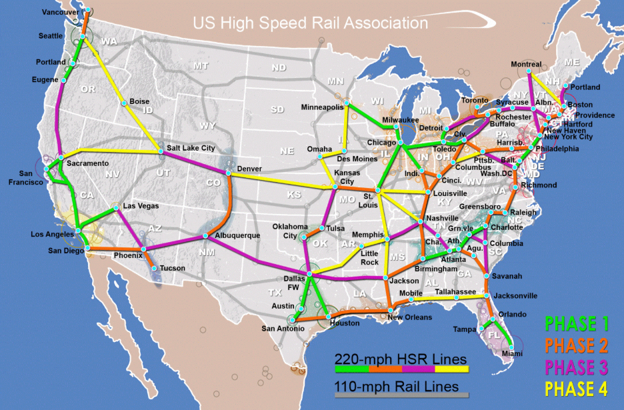 Source: Vision for High-Speed Rail in America, Federal Railroad Administration
Regional Plan for High-Speed Rail Corridors
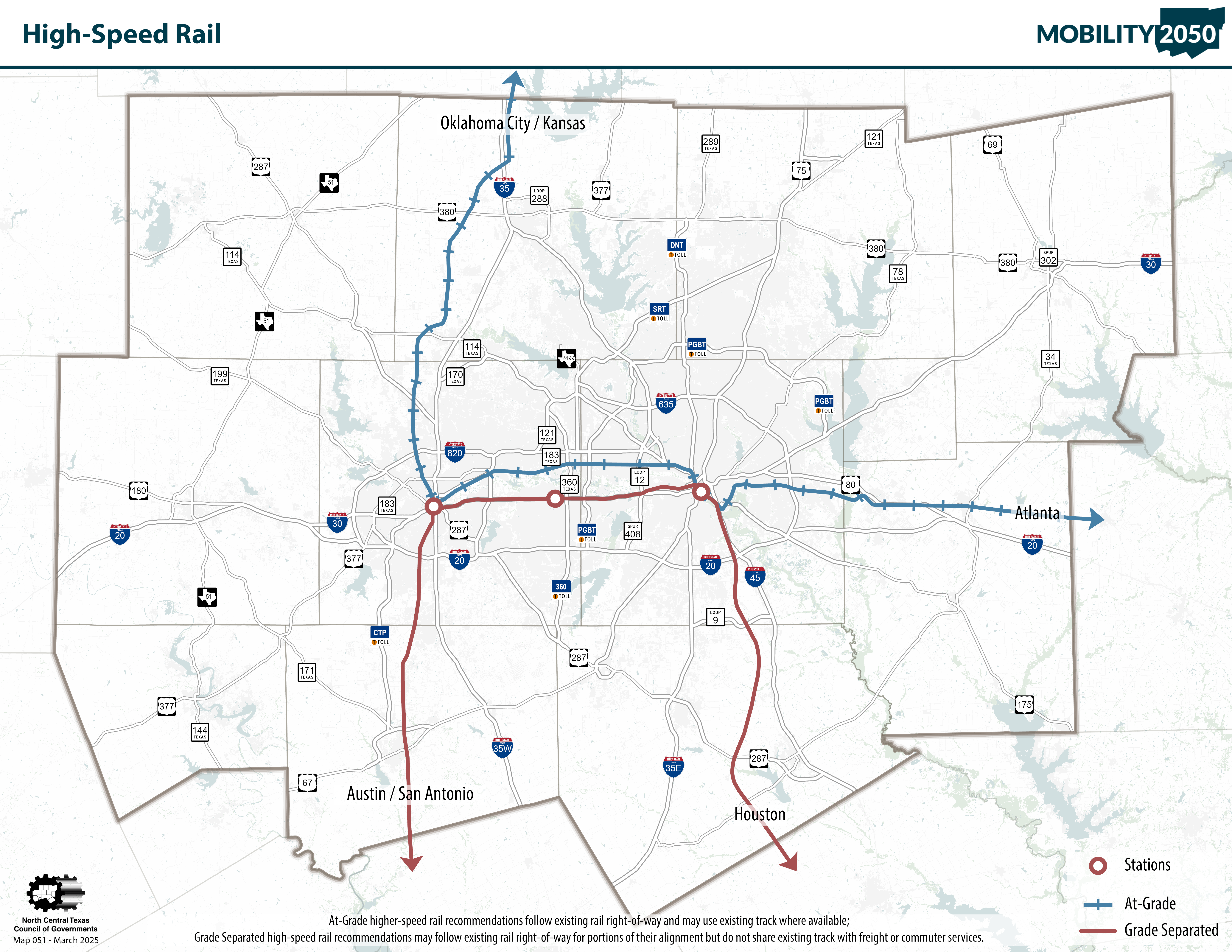 Source: Mobility 2050, NCTCOG, 2025
High-Speed Modes
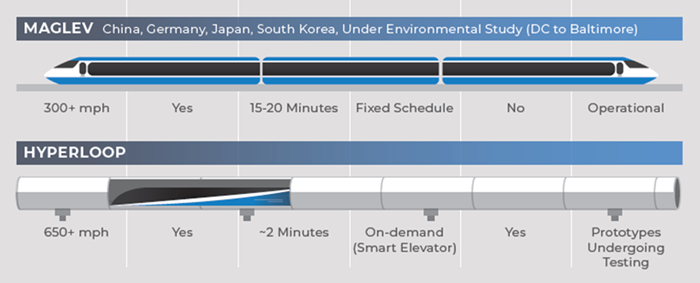
While the Dallas to Houston High-Speed Rail project has selected high-speed rail as its mode, the Dallas to Fort Worth and Fort Worth to Laredo studies review the following high-speed technologies as part of each study analysis.
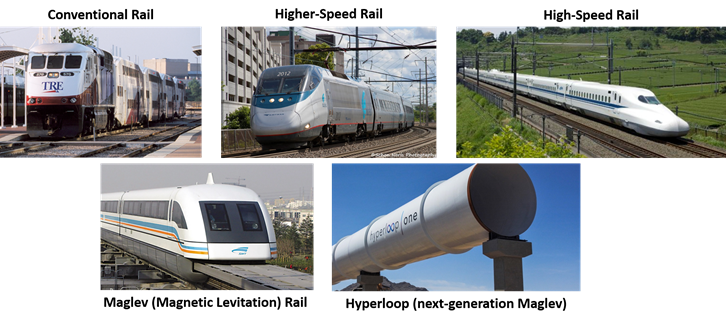 Imagery provided by NCTCOG staff, Schon Noris Photography, Texas Central Partners, Ren Long/China Features Photos, AECOM
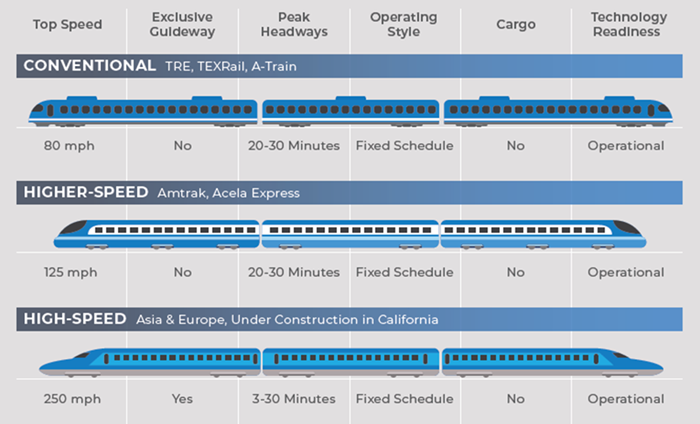
Related Studies:
- Dallas to Fort Worth High-Speed Transportation Connections Study
- Dallas to Houston High-Speed Rail (Texas Central)
- Fort Worth to Laredo High-Speed Transportation Study
- Texas Oklahoma Passenger Rail Study (TOPRS)
Other Resources:
- FTA (Federal Railroad Administration) - High-Speed Rail Timeline
- US High-Speed Rail Animated Network Map
- High-Speed Rail Alliance
- California High-Speed Rail Authority
- City of Dallas High-Speed Rail
.1c3ded.png?width=20&height=20 "MicrosoftTeams-image-(4).png")