
Current Ozone Activity
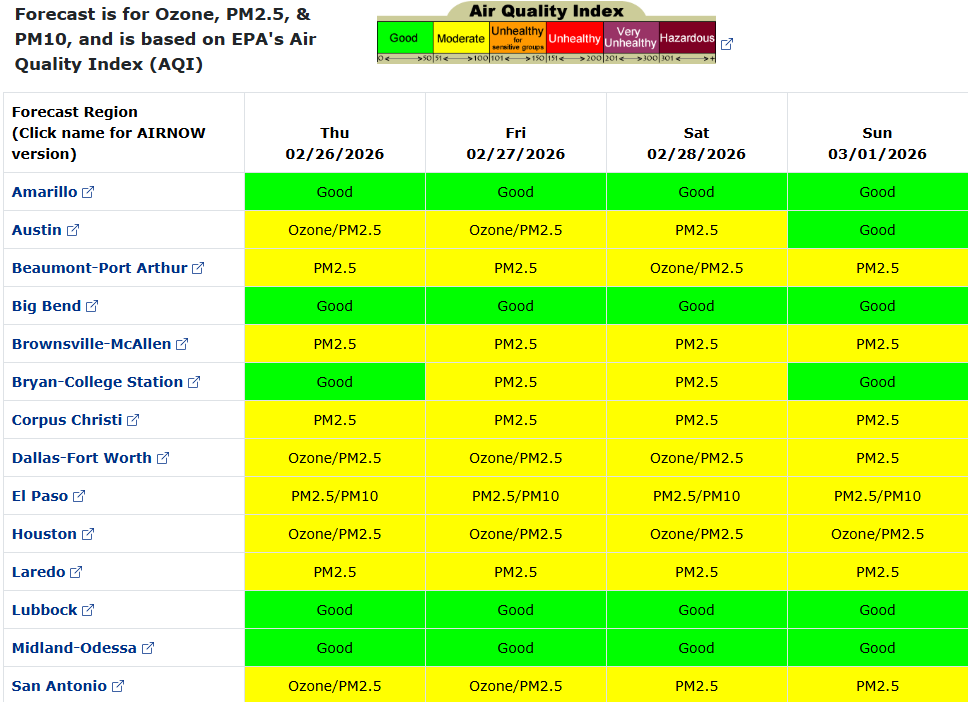
The Air Quality Index (AQI) has moved! For current outdoor conditions and forecast, visit the AQI Page.
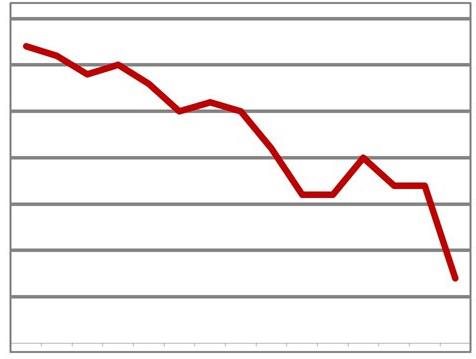
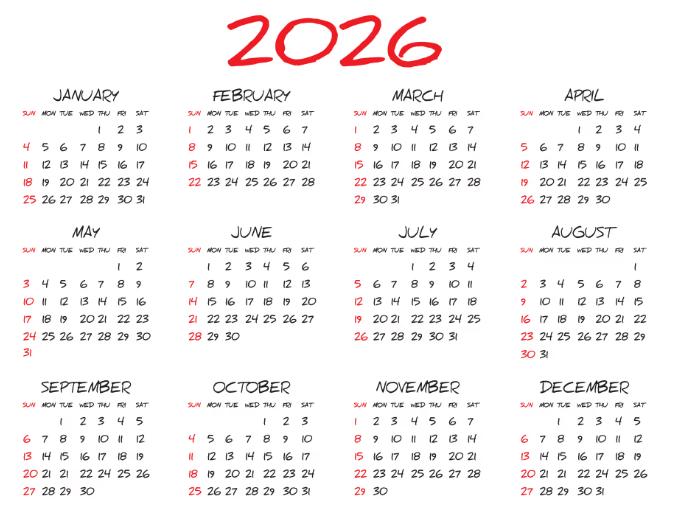
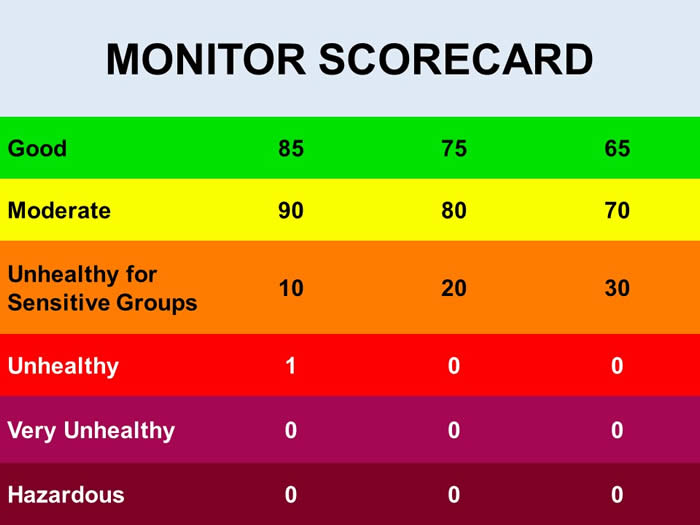
A downloadable ozone design value graph, the ozone days calendar, and a monitor score card can be found at the bottom of the page.
The 2026 ozone design value for the DFW region is 83 ppb, as of October 12, 2026.
The highest monitor readings occurred at Frisco and Ft. Worth Northwest.
DFW started the 2026 ozone season with a design value of 74 ppb.
Hover over monitor locations for more information.
The map above shows the current ozone design values of the regulatory monitors overseen by the Texas Commission on Environmental Quality (TCEQ). The map is updated weekly during the ozone season. Grey monitors are currently out of service.
The North Central Texas region is in non-attainment for the pollutant ozone. Throughout the ozone season, from March 1 to November 30, NCTCOG is tracking the ozone design value - the federal standard determining attainment. This page informs about the regions compliance with the National Ambient Air Quality Standards (NAAQS) for ozone. The highest monitor value is the design value (DV) for the region.
Why Are We Concerned About Ozone?
Air pollution is the contamination of the indoor or outdoor environment by any chemical, physical, or biological agent that changes the natural characteristics of the air. It consists of gases, dust, smoke, and liquid droplets, collectively called pollutants. This contamination can decrease the quality of the air we breathe and negatively impact human health and the environment. With the NAAQS, the Environmental Protection Agency (EPA) defines limits for six common pollutants, called criteria pollutants: ozone (O3), particulate matter (PM), lead (Pb), carbon monoxide (CO), nitrogen dioxide (NO2), and sulfur dioxide (SO2). Ozone is currently the only pollutant for which the Dallas-Fort Worth region is not meeting federal standards.
Ozone is not emitted directly into the air but is formed through photochemical reactions of the precursor pollutants nitrogen oxides (NOx) and volatile organic compounds (VOCs) when exposed to direct sunlight with high outdoor temperatures.
A region's compliance with the national standard is determined by looking at the ozone design value, a statistical number calculated from air quality data measured over three years.
How To Calculate An Ozone Design Value?
Ozone concentration measurements at each monitor location are assessed and averaged over a rolling eight-hour block of time, as shown below.

From these data, the four highest ozone readings per monitor are identified. The fourth highest values from the past three years, respectively, are used to calculate the design value (DV). In the example below, the three fourth highest values shown in yellow are averaged to calculate the DV: (81+79+76)/3 = 78.7. This value gets rounded down, so the DV for this monitor would be 78.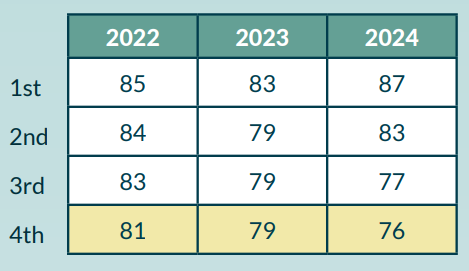
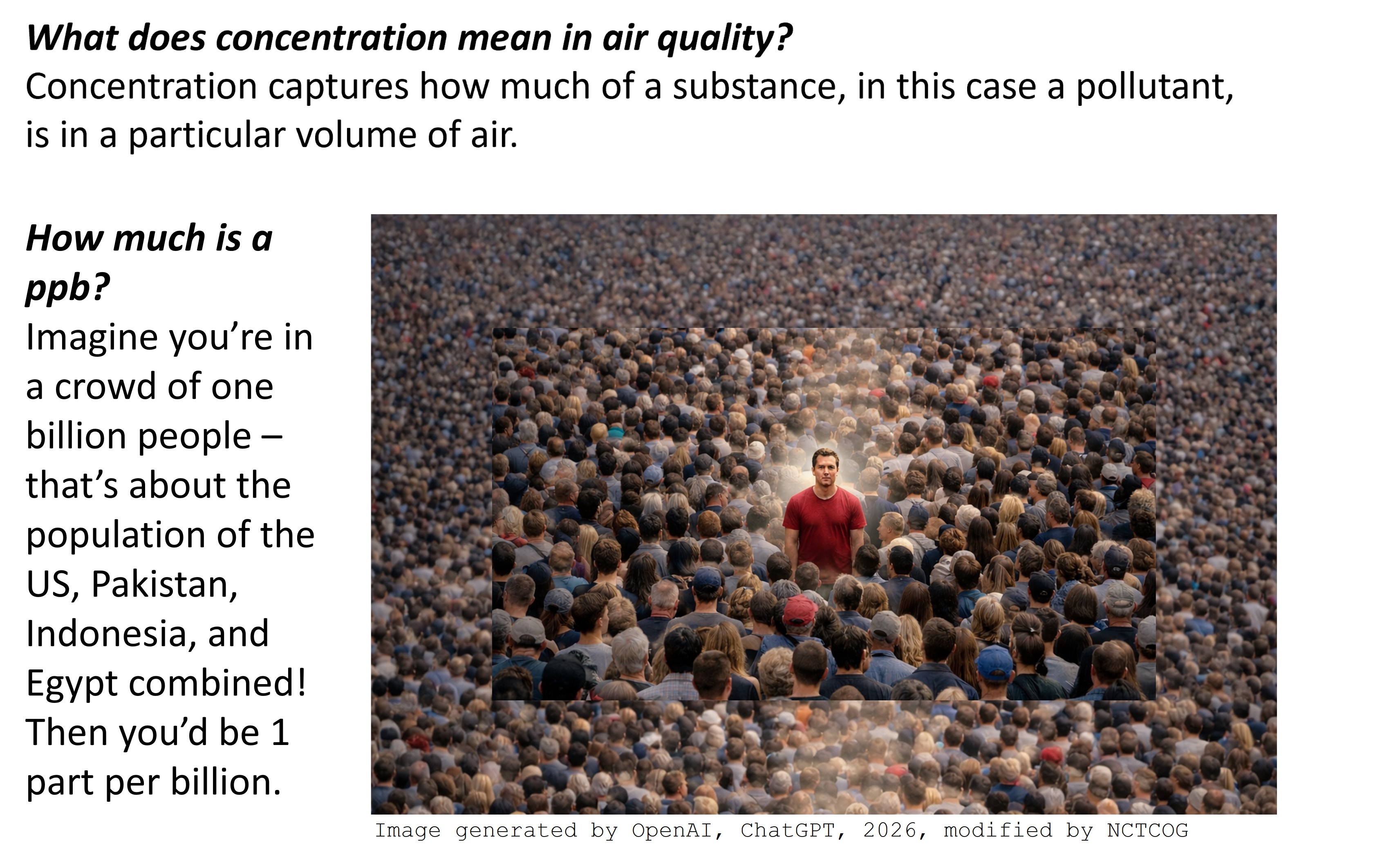
The DV calculation method shows an area can be designated nonattainment due to as few as four high-pollution days, even if pollution levels are low every other day. DVs are expressed as parts per billion (ppb), indicating the number of molecules of a pollutant per one billion molecules of air.
Not meeting air quality standards can result in negative health and environmental impacts. Additionally, under Section 185 of the Clean Air Act, if a region continues to fail the standard, large industries operating in the nonattainment area can be required to pay penalty fees, called Section 185 fees, until the region reaches attainment.
 |
Want To Know More?
Click the links below to explore NCTCOG's air quality pages. For a more in-depth explanation on regional air quality and current initiatives, check out NCTCOG's 2025 Air Quality Handbook.
- Air Quality Main Page
- Ozone Formation and Information
- 1-hour Ozone NAAQS (coming soon!)
- 8-hour Ozone NAAQS (coming soon!)
- Air Quality Health Monitoring Resources
- Funding Opportunities & Resources
- Federal Air Quality Requirements: Conformity
Downloads and External Links
|
|
|
|
|

Sign up for air pollution alerts and learn how you can help improve air quality at www.AirNorthTexas.org.
Please contact Daniela Tower with any other questions.